In today’s fast-paced industrial and commercial environments, maintaining cleanliness isn’t just about aesthetics; it’s about compliance, safety and productivity. Standard cleaning routines can only go so far in removing the deeply embedded dirt, grime, and contaminants that build up over time. That’s where deep cleaning comes in and where having a trusted, expert partner to deliver deep cleaning matters.
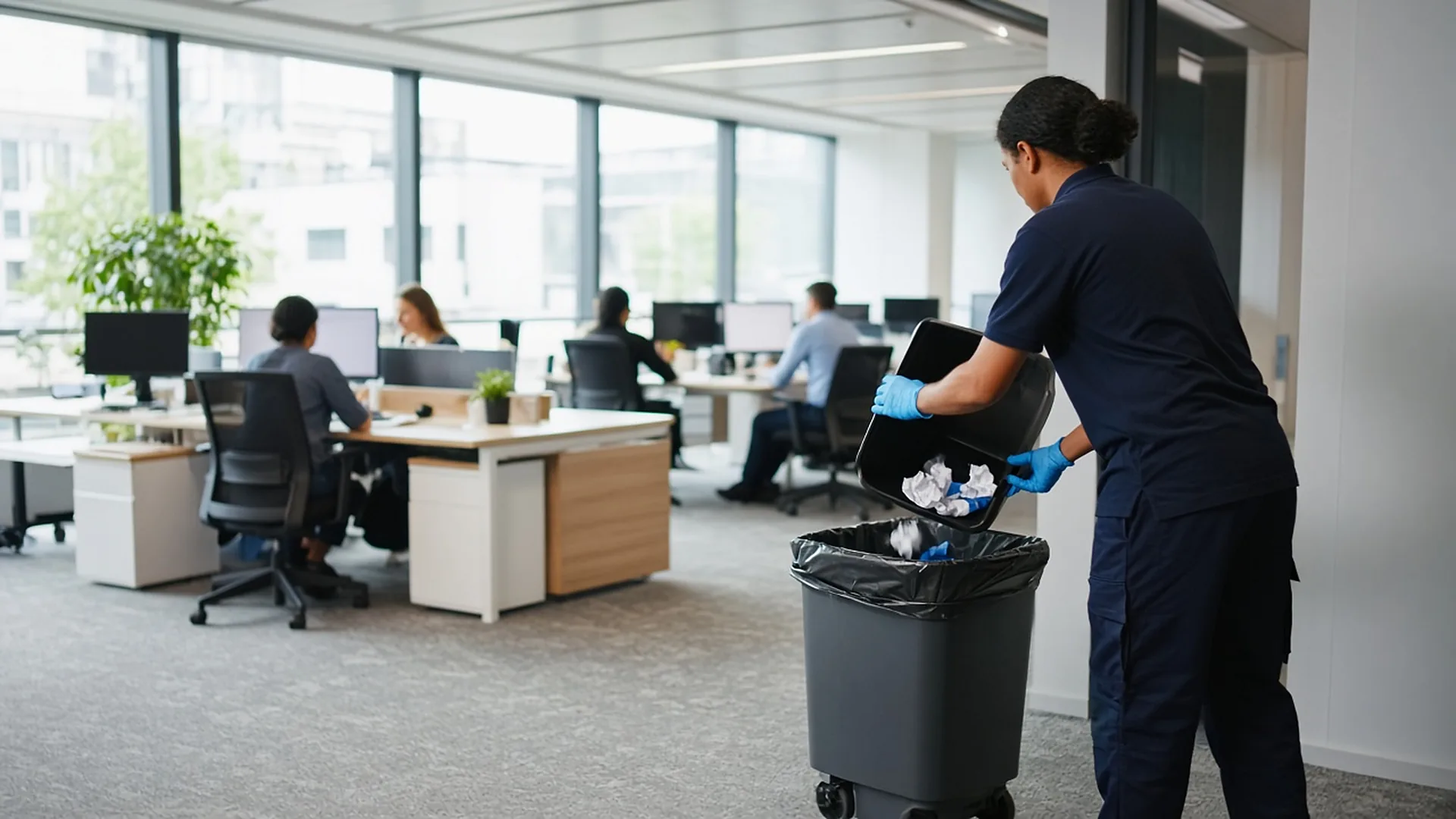
Whether you’re managing a warehouse, manufacturing plant, food production facility or commercial building, investing in a professional deep clean can yield measurable returns. In this article, we explore what deep cleaning involves, why it matters and the specific advantages of partnering with a company who specialises in deep cleaning.
What Is Deep Cleaning in an Industrial Setting?
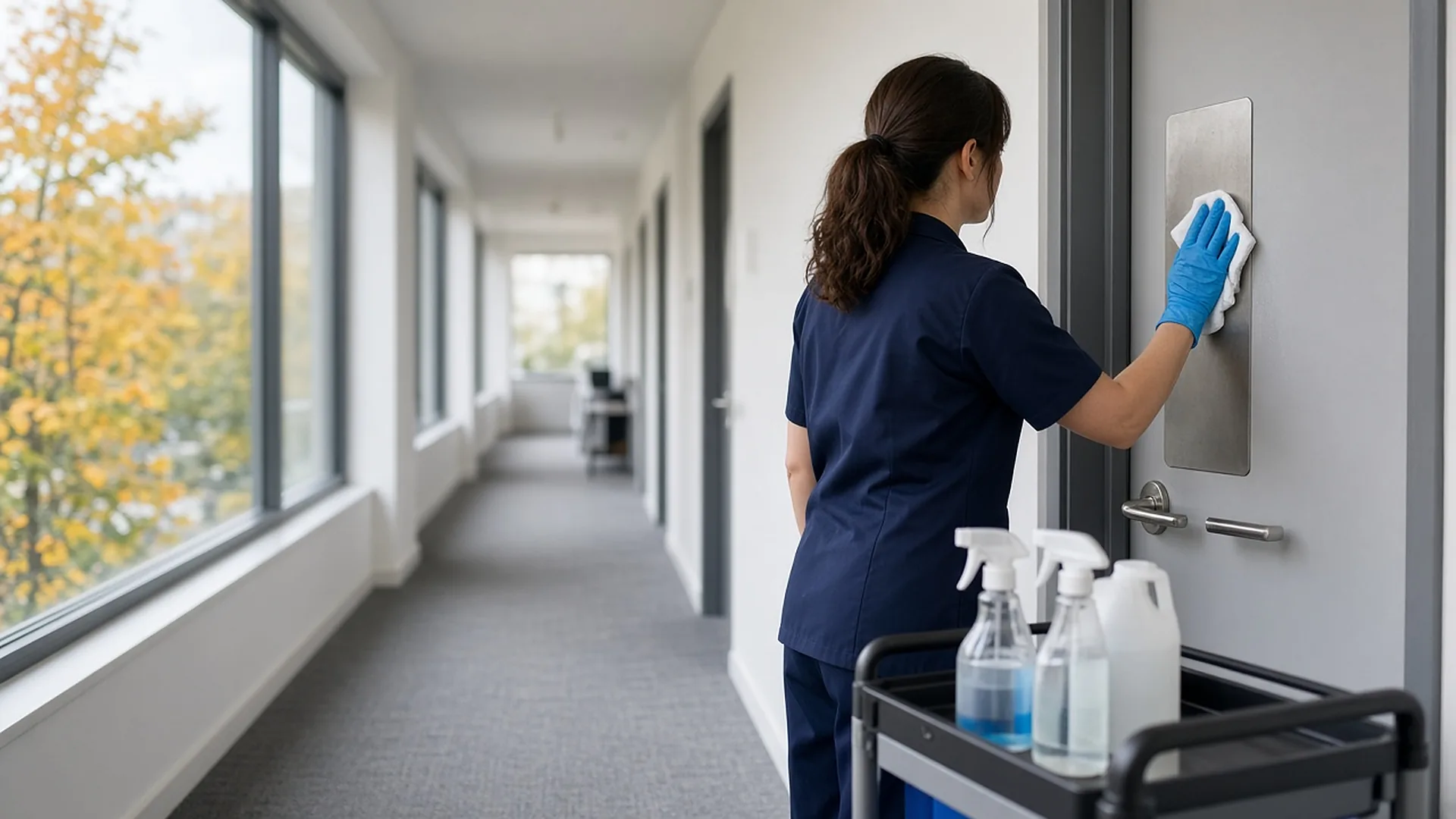
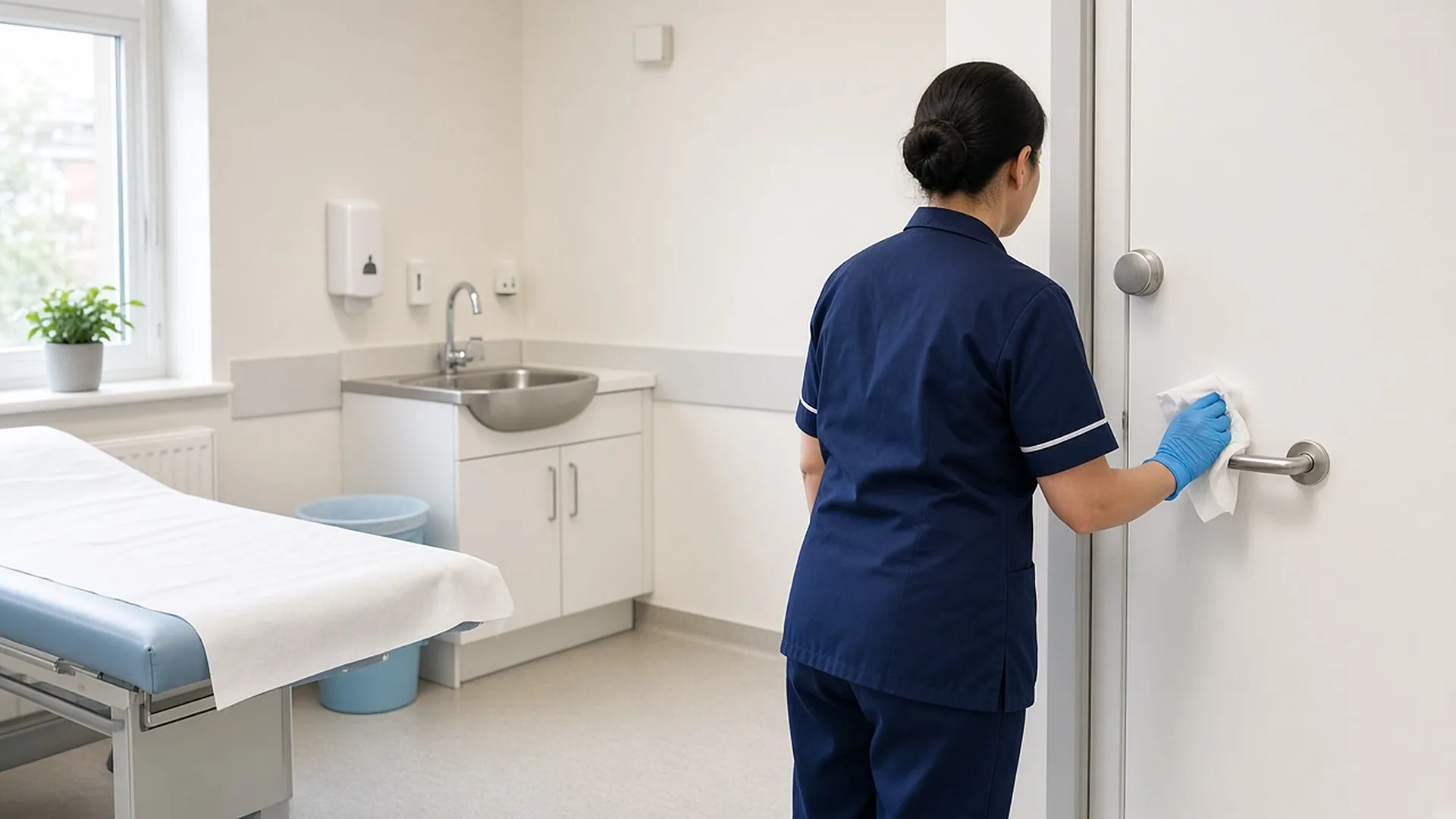
Deep cleaning goes far beyond daily cleaning routines. It’s a thorough, methodical process designed to sanitise and disinfect every nook and cranny of your facility. This includes hard-to-reach areas, machinery, ventilation systems, flooring and high-level surfaces.
A proper deep cleaning service company will use industrial-grade equipment and environmentally friendly cleaning agents to eliminate dirt, grease, bacteria and even hazardous substances. This also ensures that your workplace meets the highest hygiene standards.
Why Deep Cleaning Is Critical for Industrial and Commercial Environments
- Health and Safety Compliance: In industries governed by strict health and safety regulations such as food production, pharmaceuticals, and warehousing. A build-up of contaminants can also lead to serious consequences. Deep cleaning helps ensure compliance with HSE, COSHH and other regulatory standards, reducing your risk of fines or operational disruptions.
- Improved Air Quality: Accumulated dust, mould and other airborne pollutants can compromise indoor air quality, impacting staff wellbeing and productivity. Deep cleaning addresses these hidden pollutants, fostering a healthier workplace.
- Operational Efficiency: Clean machinery operates more efficiently and with fewer breakdowns. Deep cleaning can extend the life of your equipment and reduce maintenance costs by removing residues and contaminants that regular cleaning might miss.
- Professional Image: First impressions matter. A spotless and well-maintained facility reflects positively on your brand; whether you’re welcoming clients, undergoing an audit or hosting stakeholders.
Use Cases: When to Book a Deep Clean
- Before or after production shutdowns
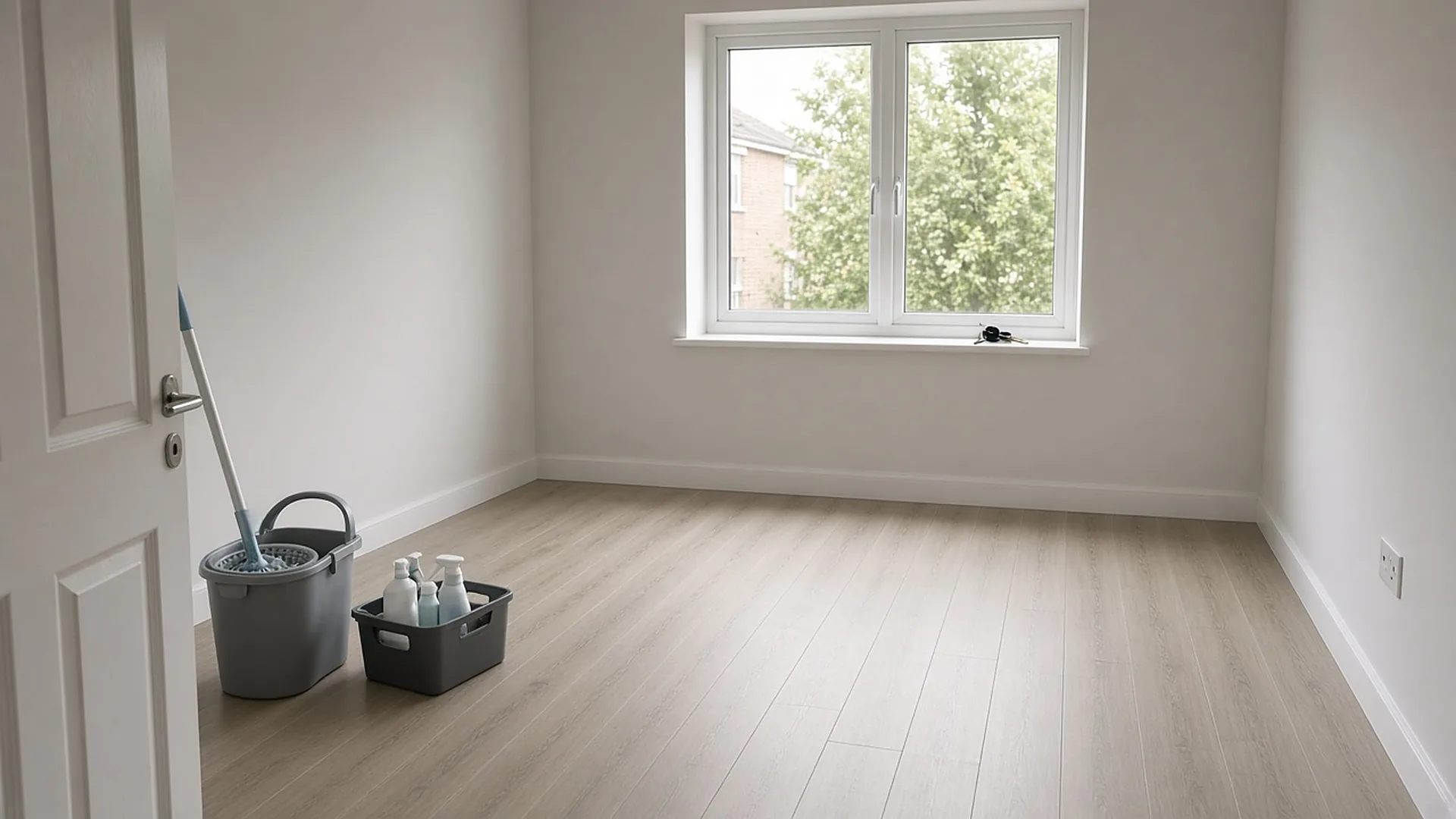
- Following refurbishment or building works
- Prior to health and safety inspections or audits
- After contamination or pest control
- As part of regular preventative maintenance
Why Choose Prime Facility Services for Deep Cleaning?
- Experience Across Multiple Sectors: With over 20 years of industry experience, Prime Facility Services has delivered deep cleaning solutions for clients in manufacturing, food production, logistics, healthcare, and education. Our team understands the unique needs and compliance requirements of each sector.
- Tailored Cleaning Plans: No two facilities are alike. We conduct thorough site assessments and develop bespoke cleaning plans that align with your operations, schedule, and budget. Whether it’s a one-off clean or part of a regular maintenance contract, we work around your business to minimise disruption.
- Highly Trained Operatives: Our cleaning operatives are fully trained in health and safety, chemical handling, and industry-specific protocols. They work professionally, efficiently, and discreetly to deliver superior results.
- Advanced Equipment & Eco-Friendly Products: We use high-performance machinery including steam cleaners, scrubber-dryers, and HEPA-filtered vacuums. Our cleaning products are carefully selected to be both effective and environmentally responsible.
- Accredited and Trusted: Prime Facility Services holds key industry accreditations, including ISO 9001 and SafeContractor status. This means you can trust us to deliver a high-quality, compliant service every time.
Ready to Schedule a Deep Clean?
Whether you operate a food processing plant, warehouse, school, or commercial property, Prime Facility Services is equipped to provide a reliable, professional deep cleaning solution.
Get in touch today by calling 0800 566 8894 or contact us online to schedule a site survey or request a free quote.